
Spray Foam Insulation vs. Fiberglass Insulation: A Comprehensive Comparison
- IFoam Insulation
- Aug 26, 2024
- 3 min read

When it comes to insulating your home, choosing the right insulation material is crucial for energy efficiency, comfort, and cost-effectiveness. Two of the most popular options are spray foam insulation and fiberglass insulation. Each has its own set of benefits and drawbacks, making them suitable for different applications and preferences. In this article, we'll break down the key differences between spray foam insulation and fiberglass insulation to help you make an informed decision.

Key Differences Between Spray Foam and Fiberglass Insulation
1. R-Value and Thermal Performance
Spray Foam: Spray foam insulation generally offers a higher R-value per inch compared to fiberglass. Closed-cell spray foam, in particular, has an R-value of approximately 6.0 to 7.0 per inch, making it one of the most effective insulation materials for reducing heat transfer.
Fiberglass: Fiberglass insulation typically has an R-value ranging from 2.2 to 4.3 per inch, depending on the form (batts, rolls, or loose-fill). While effective, it usually requires more thickness to achieve the same thermal resistance as spray foam.
2. Air Sealing and Moisture Control
Spray Foam: One of the standout features of spray foam insulation is its ability to create an airtight seal. This not only improves energy efficiency but also helps prevent moisture infiltration, which can lead to mold growth and structural damage. Closed-cell spray foam also acts as a vapor barrier, further protecting against moisture.
Fiberglass: Fiberglass insulation does not provide an airtight seal, which means air can still leak through gaps and cracks. Additionally, fiberglass does not offer significant moisture resistance and may require a separate vapor barrier to prevent condensation and mold.
3. Installation Process
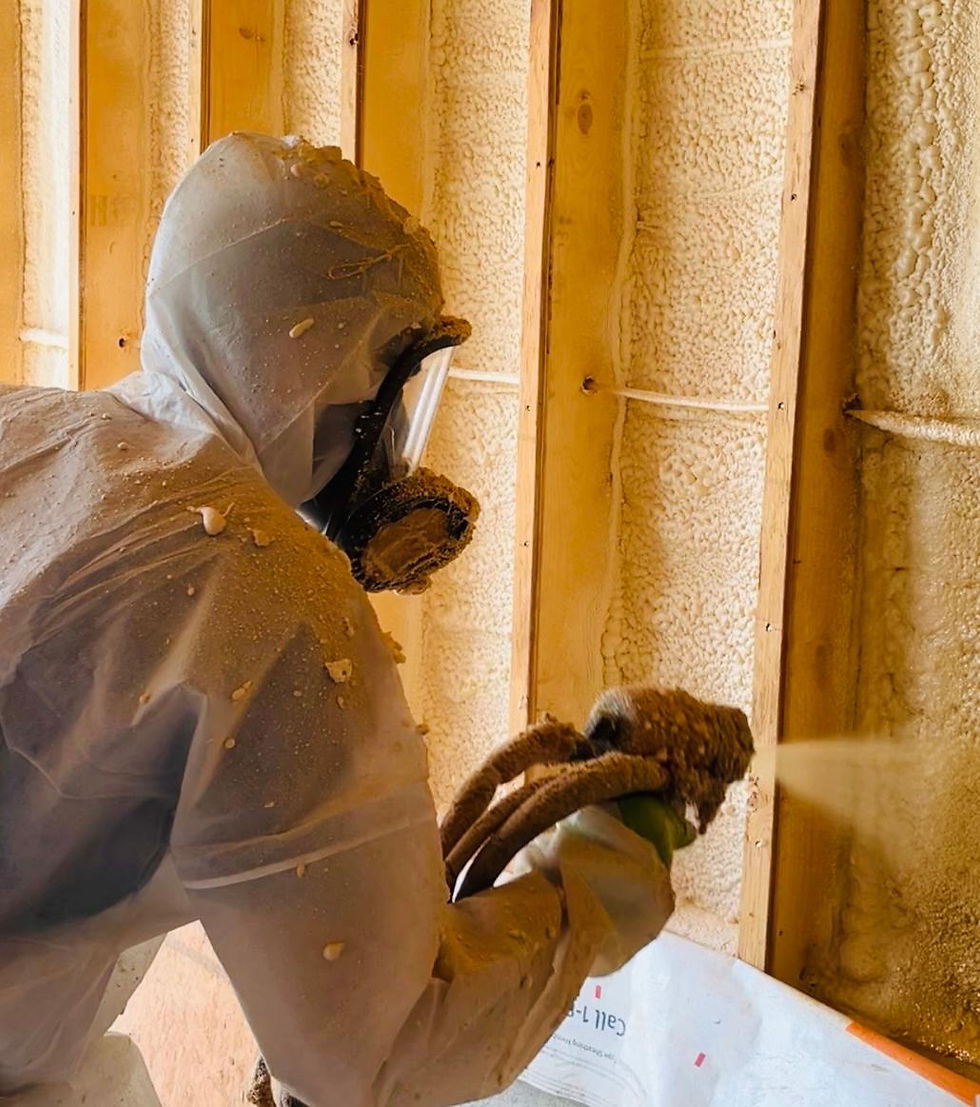
Spray Foam: Installing spray foam insulation requires professional application due to the need for specialized equipment and the potential hazards associated with the chemicals involved. The foam expands upon application, filling every nook and cranny, but the process can be more expensive and time-consuming than installing fiberglass.
Fiberglass: Fiberglass insulation is relatively easy to install, making it a popular choice for DIY projects. It comes in pre-cut batts or rolls that can be fitted into place, or as loose-fill that can be blown into spaces. However, proper installation is crucial to avoid gaps and ensure optimal performance.
4. Cost
Spray Foam: Spray foam insulation is typically more expensive than fiberglass insulation, both in terms of material costs and installation. However, the higher upfront cost can be offset by long-term energy savings due to its superior thermal performance and air-sealing properties.
Fiberglass: Fiberglass insulation is generally more affordable, making it a cost-effective option for many homeowners. While it may not offer the same level of performance as spray foam, it still provides good insulation at a lower price point.
5. Durability and Longevity
Spray Foam: Spray foam insulation is highly durable and can last for the life of the building. It does not settle, sag, or degrade over time, maintaining its insulating properties for decades.
Fiberglass: While durable, fiberglass insulation can settle or compress over time, reducing its effectiveness. It may also be prone to damage from moisture, pests, or improper installation.
6. Environmental Impact
Spray Foam: The environmental impact of spray foam insulation can be a concern due to the chemicals used in its production and application. However, some spray foam products are made with environmentally friendly components, and the energy savings they provide can reduce the overall carbon footprint of a building.
Fiberglass: Fiberglass insulation is made from recycled glass and sand, making it an environmentally friendly option. It is also non-combustible and can be recycled at the end of its life, further reducing its environmental impact.
Which Insulation Should You Choose?
The choice between spray foam and fiberglass insulation depends on several factors, including your budget, the specific needs of your home, and your long-term goals. Here’s a quick summary to help you decide:
Choose Spray Foam Insulation If:
You need the highest possible R-value for maximum energy efficiency.
You want to create an airtight seal and reduce air leakage.
Moisture control and resistance are a priority.
You are willing to invest in a higher upfront cost for long-term savings.
Choose Fiberglass Insulation If:
You are looking for a cost-effective insulation solution.
You prefer a material that is easy to install, especially for DIY projects.
You want an environmentally friendly option made from recycled materials.
You are insulating areas that are easy to access and do not require a vapor barrier.
Both spray foam and fiberglass insulation have their strengths and are suitable for different applications. By understanding the key differences between these two popular insulation materials, you can make an informed decision that best suits your home's needs and your budget. Whether you prioritize energy efficiency, cost-effectiveness, or ease of installation, there's an insulation solution that's right for you. Consider consulting with a professional to assess your specific situation and choose the best insulation for your home.


Comments